


Wydawcy
Katalog tematyczny
- Archeologia (109)
- Ekonomia, finanse, business (13704)
- Filozofia (1445)
- Historia (3040)
- Języki i językoznawstwo (2356)
- Lifestyle, hobby i rozrywka (475)
- Medycyna (9704)
- Nauki humanistyczne (4)
- Nauki o Ziemi i środowisku (2638)
- Nauki ścisłe (20412)
- Nauki społeczne (8486)
- Nauki techniczne (13450)
- Budownictwo lądowe (1045)
- Chemia przemysłowa (2258)
- Elektronika i telekomunikacja (3287)
- Energetyka (1122)
- Inne nauki stosowane (363)
- Inżynieria biochemiczna (507)
- Inżynieria transportu (232)
- Mechanika i materiały (3316)
- Nauka o środowisku (321)
- Rolnictwo (507)
- Technika, ogólnie (475)
- Prawo (1696)
- Publikacje informacyjne i interdyscyplinarne (1288)
- Religia i wierzenia (917)
- Technika komputerowa (4067)
- Zdrowie, relacje międzyludzkie i rozwój osobisty (657)





Informacje szczegółowe o książce
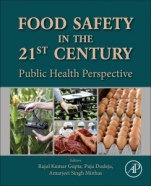
Food Safety in the 21st Century: Public Health Perspective
ISBN 9780128017739
Autor: Dudeja, PujaKumar Gupta, RajulSingh Minhas, Amarjeet
Wydawca: Elsevier
Dostępność: 3-6 tygodni
Cena: 451,50 zł
Przed złożeniem zamówienia prosimy o kontakt mailowy celem potwierdzenia ceny.
ISBN13: |
9780128017739 |
Autor: |
Dudeja, PujaKumar Gupta, RajulSingh Minhas, Amarjeet |
Oprawa: |
Paperback |
Rok Wydania: |
2016-10-21 |
Tematy: |
TDCT |
Food Safety in the 21st Century: Public Health Perspective is an important reference for anyone currently working in the food industry or those entering the industry. It provides realistic, practical, and very usable information about key aspects of food safety, while also systematically approaching the matter of foodborne illness by addressing the intricacies of both prevention and control.
This book discusses ways to assess risk and to employ epidemiological methods to improve food safety. In addition, it also describes the regulatory context that shapes food safety activities at the local, national, and international levels and looks forward to the future of food safety.
Provides the latest research and developments in the field of food safetyIncorporates practical, real-life examples for risk reductionIncludes specific aspects of food safety and the risks associated with each sector of the food chain, from food production, to food processing and servingDescribes various ways in which epidemiologic principles are applied to meet the challenges of maintaining a safe food supply in India and how to reduce disease outbreaksPresents practical examples of foodborne disease incidents and their root causes to highlight pitfalls in food safety management
Section 1: Epidemiological aspects of foodborne diseases
Chapter 1: Foodborne diseases—disease burden
Chapter 2: Foodborne infectious diseases
Chapter 3: Outbreak investigation of foodborne illnesses
Chapter 4: Surveillance of foodborne illnesses
Chapter 5: Role of risk analysis and risk communication in food safety management
Section 2: Food safety issues in contemporary society
Chapter 6: An ayurvedic perspective on food safety
Chapter 7: Food safety in modern society—changing trends of food production and consumption
Section 3: Food contamination and adulteration
Chapter 8: Food toxicology—past, present, and the future (the Indian perspective)
Chapter 9: Toxicological profile of Indian foods—ensuring food safety in India
Chapter 10: Detection of food adulterants/contaminants
Chapter 11: Recent advances in detection of food adulteration
Chapter 12: Role of public health food safety laboratories in detection of adulterants/contaminants
Section 4: Food safety from farm-to-fork
Chapter 13: Food-safety issues related to plant foods at farms
Chapter 14: Food safety from farm-to-fork—food safety issues related to animal foods at farm
Chapter 15: Food safety from farm-to-fork—food-safety issues related to processing
Chapter 16: Food safety issues in production of foods of animal origin and from farm to plate
Chapter 17: Safe storage and cooking practices for foods of animal origin in home kitchen before consumption
Section 5: Food safety is a shared responsibility: role of various stakeholders in implementing food safety
Chapter 18: Role of government authorities in food safety
Chapter 19: Local governing bodies
Chapter 20: Role of food business operators in food safety
Chapter 21: Food handlers
Chapter 22: Consumers
Chapter 23: Public health professionals and food safety
Chapter 24: Role of veterinary experts in food safety
Chapter 25: Researchers and food safety
Chapter 26: Role of hotel management and catering technology institutes in ensuring food safety
Section 6: Food safety in large eating establishments
Chapter 27: Food safety in large organized eating establishments
Chapter 28: Design and construction of eating establishments for ensuring food safety
Section 7: Food safety in small eating establishments and in special situations
Chapter 29: Safe cooking practices and food safety in home kitchen and eating establishment
Chapter 30: Food safety in schools, canteens, hostel messes, mid-day meal scheme, ICDS
Chapter 31: Food safety issues related to street vendors
Chapter 32: Food safety during travel
Chapter 33: Food safety during fairs and festivals
Chapter 34: Food safety during disasters
Section 8: Domestic regulatory scenario of food safety and interface of food safety laws, standards, regulations, and policies at the international level
Chapter 35: Relevant food safety regulations and policies
Chapter 36: Food safety policies in agriculture and food security with traceability
Chapter 37: Food safety in international food trade—imports and exports
Chapter 38: Regulation of advertisement for food products in India—advertisement for food products
Section 9: Food safety concerns in context of newer developments in agriculture/food science/food processing
Chapter 39: Nutritional labeling
Chapter 40: Nutraceuticals
Chapter 41: Regulatory requirements for labeling, health, and nutritional claim
Chapter 42: Genetically modified (GM) foods: the food security dilemma
Chapter 43: Organic farming: is it a solution to safe food?
Chapter 44: Safety and quality of frozen foods
Chapter 45: Ready to eat meals
Chapter 46: Food packaging
Chapter 47: Information technology (IT) in food safety
Koszyk
Książek w koszyku: 0 szt.
Wartość zakupów: 0,00 zł
Informacje


Kontakt
Gambit
Centrum Oprogramowania
i Szkoleń Sp. z o.o.
Al. Pokoju 29b/22-24
31-564 Kraków
Siedziba Księgarni
ul. Kordylewskiego 1
31-542 Kraków
+48 12 410 5991
+48 12 410 5987
+48 12 410 5989
Subskrypcje
Administratorem danych osobowych jest firma Gambit COiS Sp. z o.o. Na podany adres będzie wysyłany wyłącznie biuletyn informacyjny.
Autoryzacja płatności

Informacje na temat autoryzacji płatności poprzez PayU.

© Copyright 2012: GAMBIT COiS Sp. z o.o. Wszelkie prawa zastrzeżone.
Projekt i wykonanie: Alchemia Studio Reklamy