


Wydawcy
Katalog tematyczny
- Archeologia (109)
- Ekonomia, finanse, business (13704)
- Filozofia (1445)
- Historia (3040)
- Języki i językoznawstwo (2356)
- Lifestyle, hobby i rozrywka (475)
- Medycyna (9704)
- Nauki humanistyczne (4)
- Nauki o Ziemi i środowisku (2638)
- Nauki ścisłe (20412)
- Nauki społeczne (8486)
- Edukacja (229)
- Kryminologia, opieka spełeczna (284)
- Obronność (10)
- Polityka (1389)
- Psychologia (777)
- Socjologia (410)
- Społeczeństwo i kultura (187)
- Nauki techniczne (13450)
- Prawo (1696)
- Publikacje informacyjne i interdyscyplinarne (1288)
- Religia i wierzenia (917)
- Technika komputerowa (4067)
- Zdrowie, relacje międzyludzkie i rozwój osobisty (657)





Informacje szczegółowe o książce
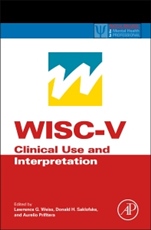
WISC-V Assessment and Interpretation: Scientist-Practitioner Perspectives
ISBN 9780124046979
Autor: Weiss, Lawrence G.Saklofske, Donald H.Holdnack, James A.Prifitera, Aurelio
Wydawca: Elsevier
Dostępność: 3-6 tygodni
Cena: 267,75 zł
Przed złożeniem zamówienia prosimy o kontakt mailowy celem potwierdzenia ceny.
ISBN13: |
9780124046979 |
ISBN10: |
0124046975 |
Autor: |
Weiss, Lawrence G.Saklofske, Donald H.Holdnack, James A.Prifitera, Aurelio |
Oprawa: |
Hardback |
Rok Wydania: |
2015-06-04 |
Tematy: |
JNKD |
The Wechsler Intelligence Scale is the most widely used intelligence test for children worldwide. WISC-V introduces new subtests, composite scores, process scores, error scores, and scaled scores as a more complex and accurate means of assessing cognitive abilities. WISC-V Assessment and Interpretation provides practical information for clinicians on selection of subtest measures, administration, and interpretation.
New subtests are described along with tips for accurate administration and scoring. Full Scale IQ is identified as important for predicting relevant behaviors, and primary index scores for characterizing the child’s strengths and weaknesses. Classroom indicators of low scores on each of these abilities are identified, with suggested interventions, accommodations, and instructional strategies for low scorers. Coverage includes ethnic differences for the Full Scale IQ and each primary index score, along with evidence of the profound influence of parental attitudes and expectations. Several other societal and contextual factors relevant to understanding racial/ethnic differences are presented. Two chapters review use of the WISC-V for identifying learning disabilities, testing of individuals with dyslexia, and best-practice recommendations to ensure accurate diagnosis and intervention. Concluding chapters describe advances in the Q-interactive system platform allowing administration of the WISC-V on iPads and other tablets and how clinicians can tailor assessment using select WISC-V subtests and features.
Authored by the creators of the WISC-VDescribes the new subtests, revised test structure, and test extensionsAdvises clinicians on test selection and custom tailoring of assessment measuresProvides best practice recommendations for accurate administration and scoringAddresses electronic administration via tablets and comparison to print scoresReviews social/contextual factors for understanding racial/ethnic differencesTranslates scores to predict behaviors and identify child strengths and weaknessesSuggests interventions, accommodations, and instructional strategies for low scorers
Part I: Applied Considerations
Chapter 1: WISC-V: Advances in the Assessment of Intelligence Lawrence G. Weiss, Donald H. Saklofske, James A. Holdnack, and Aurelio Prifitera
Chapter 2: Practical Issues in WISC–V Administration and Scoring Dustin Wahlstrom, Lawrence G. Weiss and Donald H. Saklofske
Chapter 3: Practical Considerations in WISC-V Interpretation and Intervention A. Lynne Beal, James A. Holdnack, Donald H. Saklofske, and Lawrence G. Weiss
Part II: Theoretical Considerations
Chapter 4: Theoretical and Clinical Foundations of the WISC-V Index Scores Lawrence G. Weiss, James A. Holdnack, Donald H. Saklofske, and Aurelio Prifitera
Chapter 5: WISC-V Use in Societal Context Lawrence G. Weiss, Victoria Locke, Tianshu Pan, Jossette G. Harris, Donald H. Saklofske and Aurelio Prifitera
Chapter 6: The Flynn Effect and its Clinical Implications Jacques Grégoire, Mark Daniel, Antolin M. Llorente and Lawrence G. Weiss
Part III: Clinical Considerations
Chapter 7: Testing Hispanics with WISC-V and WISC-IV Spanish Lawrence G. Weiss, Maria R. Munoz, and Aurelio Prifitera
Chapter 8: WISC-V and the Evolving Role of Intelligence Testing in the Assessment of Learning Disabilities Donald H. Saklofske, Lawrence G. Weiss, Kristina Breaux, and A. Lynne Beal
Chapter 9: Translating Scientific Progress in Dyslexia into Twenty-first Century Diagnosis and Interventions Bennett A. Shaywitz, Lawrence G. Weiss, Donald H. Saklofske and Sally E. Shaywitz
Chapter 10: Issues Related to the WISC-V Assessment of Cognitive Functioning in Clinical and Special Groups Jessie L. Miller, Donald H. Saklofske, Lawrence G. Weiss, Lisa Drozdick, Antolin M. Llorente, James A. Holdnack, and Aurelio Prifitera
Part IV: Current and Future Directions
Chapter 11: Digital Assessment with Q-Interactive Dustin Wahlstrom, Mark Daniel, Lawrence G. Weiss and Aurelio Prifitera
Chapter 12: WISC-V and the Personalized Assessment Approach James A. Holdnack, Aurelio Prifitera, Lawrence G. Weiss, and Donald H. Saklofske
Koszyk
Książek w koszyku: 0 szt.
Wartość zakupów: 0,00 zł
Informacje


Kontakt
Gambit
Centrum Oprogramowania
i Szkoleń Sp. z o.o.
Al. Pokoju 29b/22-24
31-564 Kraków
Siedziba Księgarni
ul. Kordylewskiego 1
31-542 Kraków
+48 12 410 5991
+48 12 410 5987
+48 12 410 5989
Subskrypcje
Administratorem danych osobowych jest firma Gambit COiS Sp. z o.o. Na podany adres będzie wysyłany wyłącznie biuletyn informacyjny.
Autoryzacja płatności

Informacje na temat autoryzacji płatności poprzez PayU.

© Copyright 2012: GAMBIT COiS Sp. z o.o. Wszelkie prawa zastrzeżone.
Projekt i wykonanie: Alchemia Studio Reklamy