


Wydawcy
Katalog tematyczny
- Archeologia (109)
- Ekonomia, finanse, business (13704)
- Filozofia (1445)
- Historia (3040)
- Języki i językoznawstwo (2356)
- Lifestyle, hobby i rozrywka (475)
- Medycyna (9704)
- Nauki humanistyczne (4)
- Nauki o Ziemi i środowisku (2638)
- Nauki ścisłe (20412)
- Nauki społeczne (8486)
- Nauki techniczne (13450)
- Budownictwo lądowe (1045)
- Chemia przemysłowa (2258)
- Elektronika i telekomunikacja (3287)
- Energetyka (1122)
- Inne nauki stosowane (363)
- Inżynieria biochemiczna (507)
- Inżynieria transportu (232)
- Mechanika i materiały (3316)
- Nauka o środowisku (321)
- Rolnictwo (507)
- Technika, ogólnie (475)
- Prawo (1696)
- Publikacje informacyjne i interdyscyplinarne (1288)
- Religia i wierzenia (917)
- Technika komputerowa (4067)
- Zdrowie, relacje międzyludzkie i rozwój osobisty (657)





Informacje szczegółowe o książce
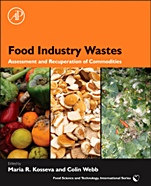
Food Industry Wastes: Assessment and Recuperation of Commodities
ISBN 9780123919212
Autor: Kosseva, MariaWebb, Colin
Wydawca: Elsevier
Dostępność: 3-6 tygodni
Cena: 517,65 zł
Przed złożeniem zamówienia prosimy o kontakt mailowy celem potwierdzenia ceny.
ISBN13: |
9780123919212 |
ISBN10: |
0123919215 |
Autor: |
Kosseva, MariaWebb, Colin |
Oprawa: |
Hardback |
Rok Wydania: |
2013-03-28 |
Tematy: |
TDCT |
Food Industry Wastes: Assessment and Recuperation of Commodities presents emerging techniques and opportunities for the treatment of food wastes, the reduction of water footprint, and creating sustainable food systems. Written by a team of experts from around the world, this book provides a guide for implementing bioprocessing techniques. It also helps researchers develop new options for the recuperation of these wastes for community benefit.
More than 34 million tons of food waste was generated in the United States in 2009, at a cost of approximately $43 billion. And while less than three percent of that waste was recovered and recycled, there is growing interest and development in recovering and recycling food waste. These processes have the potential not only to reduce greenhouse gases, but to provide energy and resources for other purposes.
This book examines these topics in detail, starting with sources, characterization and composition of food wastes, and development of green production strategies. The book then turns to treatment techniques such as solid-state fermentation and anaerobic digestion of solid food waste for biogas and fertilizer. A deep section on innovative biocatalysts and bioreactors follows, encompassing hydrogen generation and thermophilic aerobic bioprocessing technologies. Rounding out the volume are extensive sections on water footprints, including electricity generation from microbial fuel cells (MFCs), and life cycle assessments.
Food waste is an area of focus for a wide range of related industries from food science to energy and engineeringOutlines the development of green product strategiesInternational authoring team represents the leading edge in research and development Highlights leading trends of current research as well as future opportunities for reusing food waste
I. Introduction. Causes and Challenges of Food Wastage
II. Food Industry Wastes: Problems and Opportunities
Chapter 1. Recent European legislation for management of wastes in the food industry
Chapter 2. Sources, characterization and composition of the food wastes
Chapter 3. Development of green production strategies
III. Treatment of Solid Food Wastes
Chapter 4. Use of waste bread to produce fermentation products
Chapter 5. Recovery of commodities from food waste using Solid-State Fermentation
Chapter 6. Functional food and nutraceuticals derived from food industry wastes (FIW)
Chapter 7. Manufacture of biogas and fertiliser from solid food wastes by means of anaerobic digestion
IV. Improved Biocatalysts and Innovative Bioreactors for Enhanced Bioprocessing of Liquid Food Wastes
Chapter 8. Use of immobilized biocatalyst for valorization of whey lactose
Chapter 9. Hydrogen generation from food industry and biodiesel wastes
Chapter 10. Thermophilic aerobic bioprocessing technologies for FIW and wastewater
Chapter 11. Modelling, monitoring and process control for intelligent bioprocessing of FIW and wastewater
V. Impact Assessment of Water Footprint and Rehabilitation of Food Industry Wastewater
Chapter 12. Water Footprint and food processing industry: accounting the impact of food waste from the perspective of use of water resources
Chapter 13. Electrical energy from wineries – A new approach using microbial fuel cells (MFCs)
Chapter 14. Electricity generation from food industry wastewater using the MFC technology
VI. Assessment of Environmental Impact of Food Production and Consumption
Chapter 15. Life Cycle Assessment with the focus on FIW
Chapter 16. Food system sustainability and the consumer
VII. Concluding Remarks and Future Prospects
Koszyk
Książek w koszyku: 0 szt.
Wartość zakupów: 0,00 zł
Informacje


Kontakt
Gambit
Centrum Oprogramowania
i Szkoleń Sp. z o.o.
Al. Pokoju 29b/22-24
31-564 Kraków
Siedziba Księgarni
ul. Kordylewskiego 1
31-542 Kraków
+48 12 410 5991
+48 12 410 5987
+48 12 410 5989
Subskrypcje
Administratorem danych osobowych jest firma Gambit COiS Sp. z o.o. Na podany adres będzie wysyłany wyłącznie biuletyn informacyjny.
Autoryzacja płatności

Informacje na temat autoryzacji płatności poprzez PayU.

© Copyright 2012: GAMBIT COiS Sp. z o.o. Wszelkie prawa zastrzeżone.
Projekt i wykonanie: Alchemia Studio Reklamy